A Retail Giant at a Crossroads
For decades, Asda stood as a titan of the British supermarket landscape, known for delivering value and fresh food to millions of families. However, recent years have been defined by choppy waters: sliding market share, management turnover, and complaints regarding store standards. With its market share dropping from 14.3% before the 2021 takeover to 11.4% by the end of 2025, the pressure to pivot has never been higher.
In a bid to regain its footing, the company has turned to a familiar face. Allan Leighton, the executive who helped rescue Asda three decades ago, returned as chairman in November 2024. His mission is clear: steer the business back to its foundations while navigating a challenging economic environment.
Back to Basics: The 'Rollback' Revival
Leighton’s primary strategy for recovery is a nostalgic one: the revival of 'Asda Rollback.' This iconic price-cutting campaign, which fueled the brand’s success in the 1990s, is at the heart of the current turnaround plan. The goal is to provide a guaranteed price gap against full-line competitors, ensuring that value remains the primary hook for customers.
- Returning to the brand's 'fresh food and clothing' roots.
- Aggressive price investment to restore competitive appeal.
- Simplifying operations by reducing the total SKU count by approximately 6,000.
- Prioritizing store standards to address past complaints of empty shelves and poor availability.
Diversification and the Road Ahead
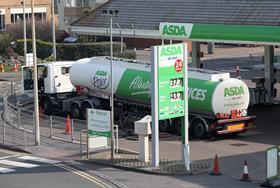
Price cuts alone are not the entire solution. Asda is increasingly relying on a diversified revenue model. Nearly half of the retailer's total revenue—around 47%—now stems from sources beyond traditional core groceries, including George, Asda Express, pharmacy services, optical centers, and fuel.
Diversification is emerging as a new and increasingly necessary strategic pillar. George, pharmacy, and the expanding Asda Express estate will be engines of growth.
— IGD Retail Analysis
Despite these efforts, the path to recovery remains a 'race against time.' Leighton has signaled that a full turnaround could take three to five years. For now, the leadership has paused the search for a permanent CEO to focus entirely on the execution of this recovery plan, hoping to stabilize the business and rebuild trust with both investors and the British public.