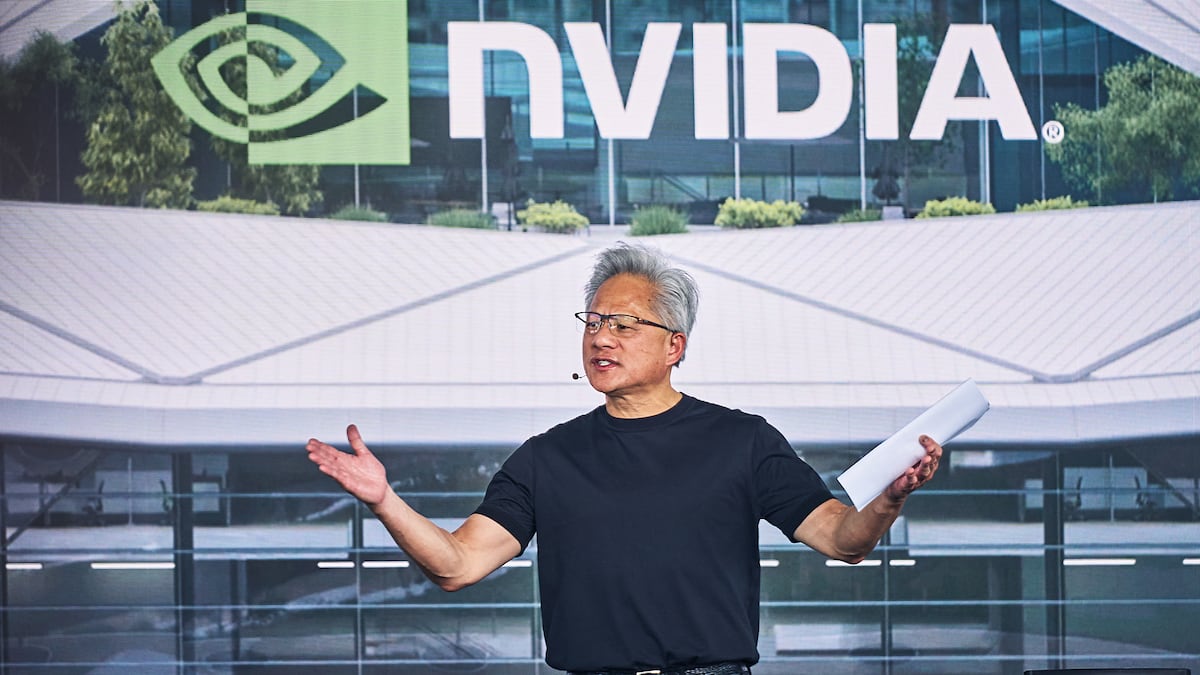
The End of an Era at Nvidia
In a move that has sent shockwaves through Wall Street and the global technology sector, Nvidia CEO Jensen Huang has resigned. The departure follows mounting pressure on the board of directors after public reports surfaced regarding two extramarital affairs, one of which involved a woman allegedly linked to Chinese intelligence services.
For years, Huang has been the face of the AI revolution, steering Nvidia to become one of the most valuable companies in the world. His departure marks a critical turning point for the firm, which has become the indispensable backbone of the modern artificial intelligence industry.
A Transition of Power
As the company works to find a permanent replacement, Nvidia has tapped current executive vice-president and CFO, Colette Kress, to serve as interim CEO. Analysts see this as a stabilizing move, given Kress’s intimate knowledge of the company’s financial health and operational strategy.
- Jensen Huang has officially stepped down as CEO of Nvidia.
- Colette Kress will serve as interim CEO during the search for a permanent successor.
- The resignation follows reports of personal conduct issues, including an alleged connection to a suspected Chinese intelligence asset.
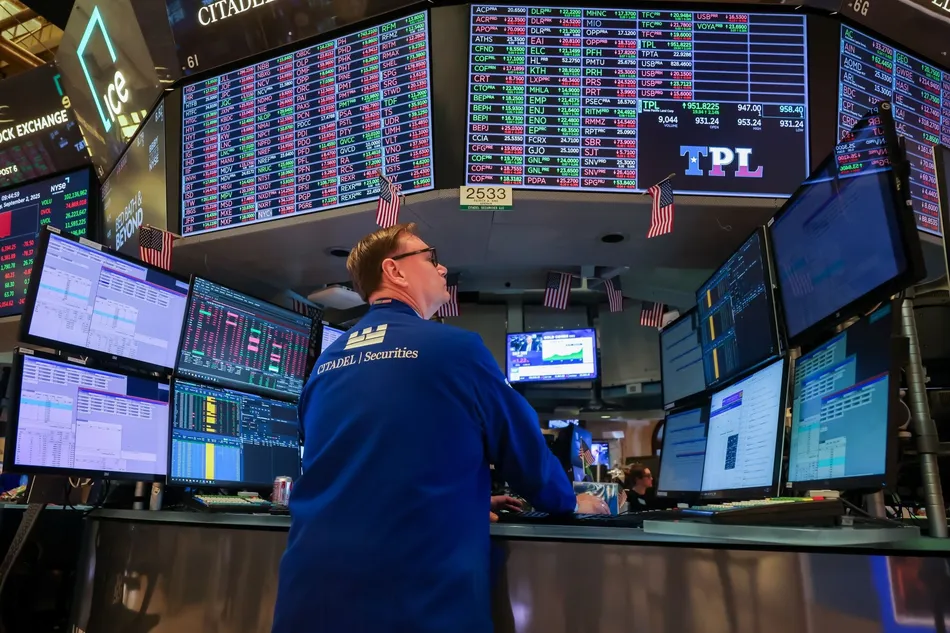
- The transition has caused significant market volatility, impacting both Nvidia stock and broader AI-related investments.
She is absolutely the one that you need right now.
— Jim Cramer, on the appointment of Colette Kress
Market Impact and Future Implications
Nvidia’s influence extends far beyond hardware; it acts as a financier, partner, and architect for the entire AI ecosystem. With Huang’s exit, industry observers are questioning the immediate stability of these deep-rooted AI partnerships. The uncertainty has already triggered a decline in Nvidia’s stock price and contributed to broader market concerns, including a dip in Bitcoin prices as technology stocks faced downward pressure.
The road ahead will be challenging. Without a clear, long-term succession plan, Nvidia must now work to maintain its leadership position in the global semiconductor market while managing internal restructuring. The focus for investors remains on whether the company can maintain its rapid pace of innovation under new leadership.