A New Strategy for the Modern Battlefield
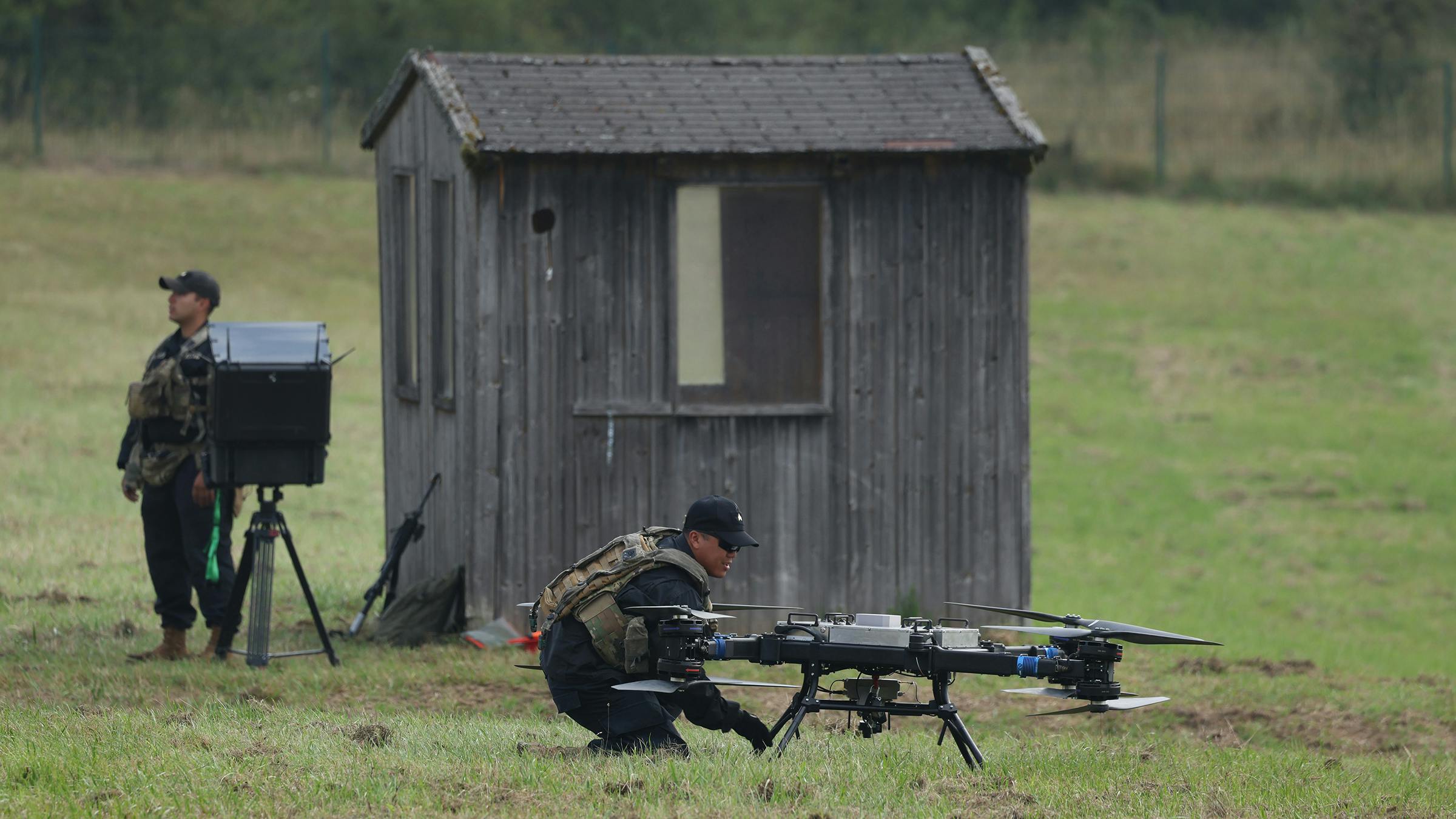
The nature of global conflict is changing. As drone technology evolves at breakneck speed, the U.S. Department of Defense is executing a massive strategic pivot. Moving away from a reliance solely on expensive, high-end aircraft, the Pentagon is now prioritizing the acquisition of low-cost, expendable drones in massive quantities.
This "high-low" approach aims to balance the use of sophisticated, autonomous combat vehicles with a swarm of affordable, rapidly replaceable systems. Secretary of Defense Pete Hegseth signaled this intent in his memorandum regarding "Unleashing U.S. Military Drone Dominance," aiming to expedite development and production cycles to match the pace of modern technological threats.
The Challenge: From Prototype to Production
While the U.S. possesses world-leading drone technology and software expertise, the transition from successful prototypes to mass production remains a hurdle. Defense officials have noted that the challenge is no longer just technological; it is industrial. The goal is to build a domestic ecosystem capable of manufacturing drones quickly enough to meet the realities of a large-scale battlefield.
- Focus on 'consumable' drones that can be lost in combat without catastrophic mission failure.
- Integration of nontraditional defense contractors like Anduril Industries and General Atomics.
- Increased focus on energy-dense battery chemistries to improve drone range and efficiency.
- Overcoming bureaucratic inertia and risk-aversion in procurement budgeting.
Drone dominance is a process race as much as a technological race. Modern battlefield innovation demands a new procurement strategy that fuses manufacturers with our frontline troops.
— Defense Industry Analyst
A Growing Economic and Military Ecosystem
This shift is also fueling a surge in the commercial drone sector. The global drone battery market is projected to reach $2.45 billion by 2031, driven by advancements in lithium-based chemistries and the necessity of sustaining these vast fleets. As the Pentagon works with industry partners to scale, the dual-use nature of these technologies—applicable to both precision agriculture and defense—is creating a more resilient supply chain.