A Major Standoff in Financial Tech
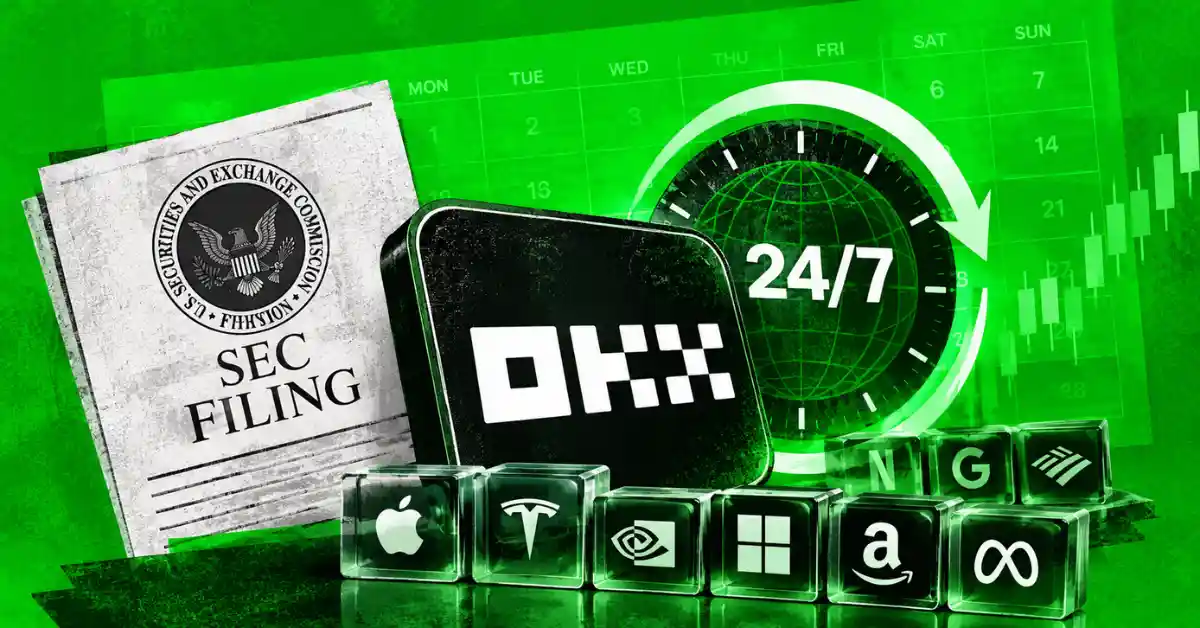
The effort to bridge traditional stock markets with blockchain technology has hit a significant wall. OKX and the Intercontinental Exchange (ICE) have faced growing opposition to their proposal to list US stocks as tokenized assets on blockchain networks. With 56 major companies—representing nearly 80% of the venture's initial stock selection—formally objecting to the move, the future of this high-profile integration remains uncertain.
Who Is Pushing Back?
The list of companies rejecting the tokenization effort is a 'who's who' of the modern economy. Recently, tech and industrial heavyweights joined the movement to block their inclusion. The list of objectors now features:
- Tesla
- Amazon
- SpaceX
- Netflix
- Nvidia
- Microsoft
- JPMorgan
The Conflict: Liquidity vs. Control
At the heart of this disagreement is a fundamental difference in how assets are traded. Traditional exchanges like the NYSE and Nasdaq operate within strict windows—9:30 AM to 4:00 PM Eastern Time—which limits trading to set business hours. Proponents of tokenization argue that blockchain infrastructure could enable 24/7 global liquidity, a feature common in cryptocurrency markets.
However, for the corporations themselves, the concerns likely center on regulatory oversight, security, and the fragmentation of their shareholder base. While some financial institutions view tokenization as a way to modernize settlement processes and cross-border payments, the transition of blue-chip stocks onto decentralized networks appears to be a bridge too far for the companies that issued them.
Organizations considering tokenization should evaluate opportunities and trade-offs carefully. It is important to assess where digital asset integration can make a meaningful impact, whether in payments, liquidity management, or investment products.
— J.P. Morgan Asset Management