A Window Into the Late Cretaceous
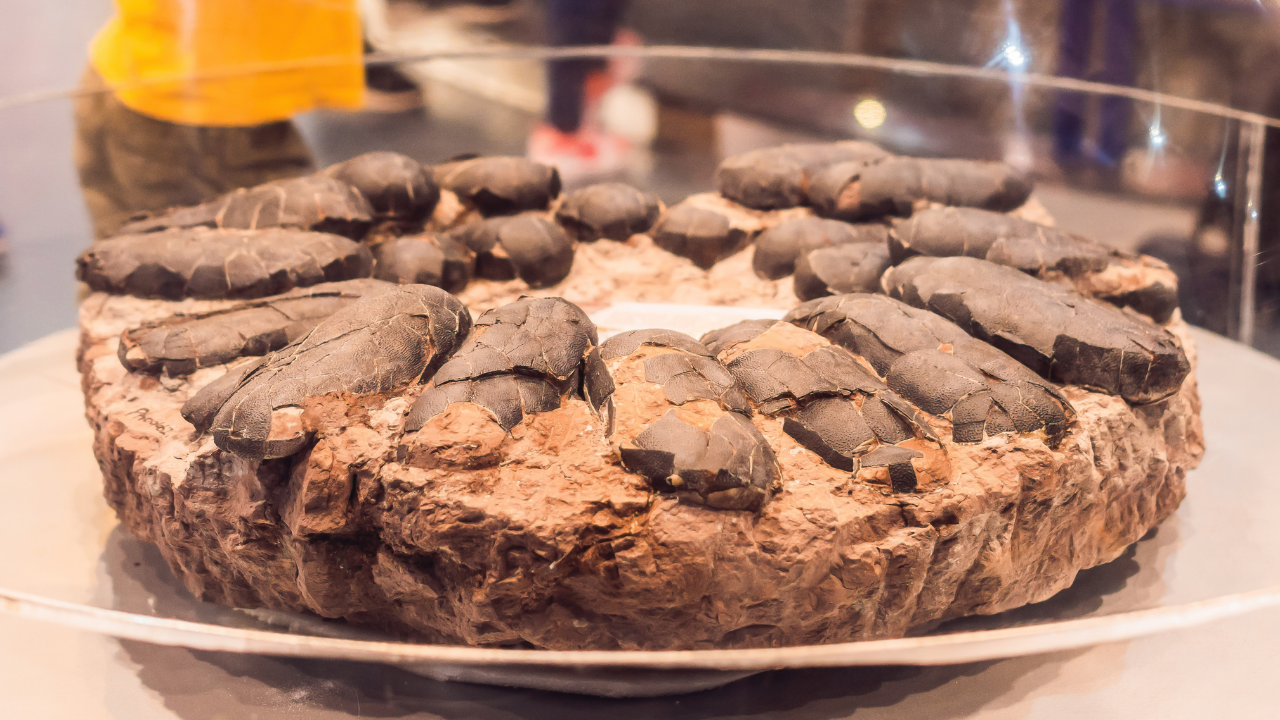
In a discovery that is capturing the attention of paleontologists worldwide, an excavation campaign near Mèze, France, has revealed a significant concentration of fossilized dinosaur eggs. Dating back roughly 70 million years to the Late Cretaceous period, the site—a former riverbed—serves as a prehistoric nursery that researchers believe was used repeatedly by ancient reptiles.
What We Know About the Titanosaurs
The eggs are currently attributed to titanosaurs, a diverse group of massive, long-necked herbivorous dinosaurs. Known for their sheer size, these creatures were among the largest animals to ever walk the Earth. Scientists suggest the dense clustering of the eggs indicates that these riverbanks were prime real estate for nesting, offering the necessary environmental conditions for titanosaurs to lay their clutches.
- The site contains roughly 100 fossilized eggs.
- The fossils date back approximately 70 million years.
- The nesting ground was situated along a prehistoric riverbed.
- Titanosaurs are believed to have used the area repeatedly over time.
Why This Discovery Matters
While fossilized eggs are not unknown to science, the sheer density of this site provides researchers with a rare dataset to study reproductive behavior and extinction patterns. By analyzing how these titanosaurs lived and nested, scientists can better understand the ecological pressures that defined the final millions of years of the dinosaur era before the mass extinction event.
Scientists believe the area functioned as a vast prehistoric nesting ground, used repeatedly by different species.
— Paleontology research context